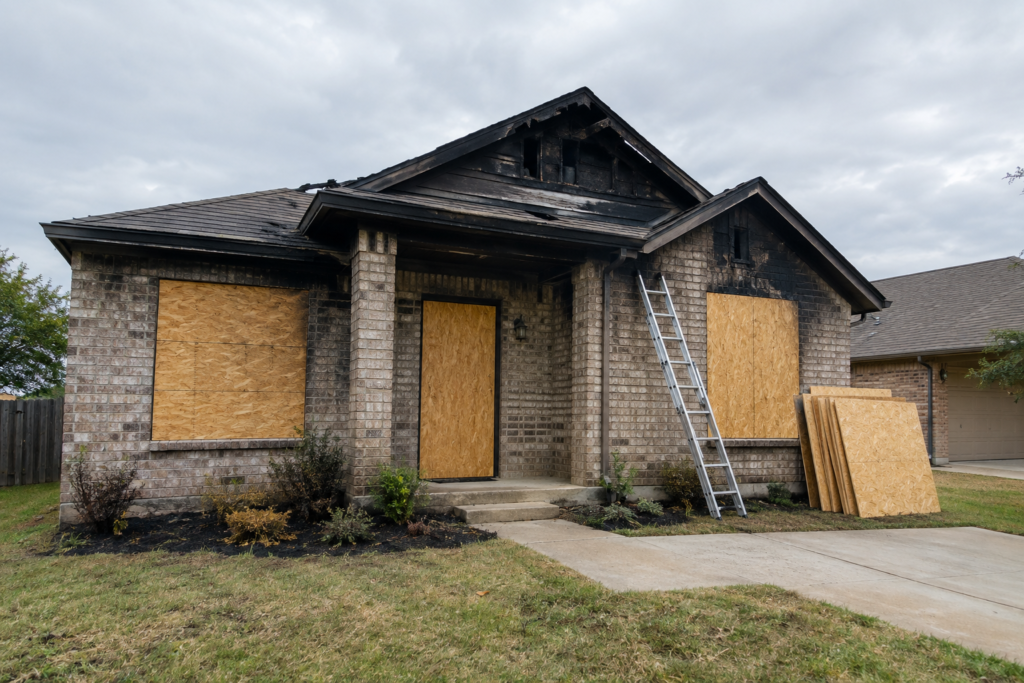
A house fire is disorienting enough in the first few hours – but once the fire department leaves, a new problem sets in fast. Broken windows, a burned-through door, or a hole in the roof leave your home exposed to weather, theft, and further damage. Boarding up isn’t optional; it’s the single most important thing you can do to protect what’s left of your property while you figure out next steps.
If you’re searching for how to secure a fire-damaged home in Killeen, TX right now, this guide walks through exactly what to do – and where professional help makes sense.
Why Boarding Up After a Fire Can’t Wait
Once a structure fire is out, your home is essentially unlocked to the outside world. Broken glass, charred door frames, and roof openings from firefighting efforts all create access points for rain, wind, animals, and opportunistic theft. In Central Texas, a single afternoon thunderstorm can turn smoke damage into a secondary water damage claim, which complicates your insurance case and multiplies your restoration costs.
Most homeowners’ insurance policies also require you to take “reasonable steps” to prevent further loss after a fire – and an unsecured home can become a liability and coverage issue if damage worsens because it wasn’t boarded up promptly.
Step 1: Wait for Fire Department Clearance
Never re-enter a fire-damaged structure until the fire marshal or responding fire department has declared it safe. Hot spots can reignite hours later, and structural elements weakened by fire (floor joists, roof trusses, staircases) may not fail until weight is put on them. If you haven’t been given the all-clear, wait.
Step 2: Assess Structural Safety Before You Begin
Before anyone touches a hammer or plywood sheet, walk the exterior (not the interior, if it’s unstable) and look for:
- Sagging or partially collapsed rooflines
- Walls that are visibly leaning or bowing
- Broken windows and door frames
- Exposed electrical wiring near openings
If there’s any doubt about structural integrity, this is the point to bring in a professional fire damage assessment rather than guessing. A proper inspection tells you which openings are safe to board and which areas need shoring up first.
Step 3: Gather the Right Materials
For a DIY temporary board-up, you’ll typically need:
- 1/2″ or 5/8″ exterior-grade plywood, cut to size for each window and door
- A cordless drill/driver and 2.5″–3″ deck screws (screws hold better than nails in a fire-weakened frame and are easier to remove later)
- Heavy-duty tarps and roofing nails or screws for any roof or attic openings
- Safety gear: N95 or P100 respirator, gloves, and eye protection (soot and ash are respiratory hazards even after the fire is out)
Plywood should be cut about 2 inches larger than the opening on each side, so it overlaps the frame and can be screwed directly into solid studs or masonry rather than into burned trim.
Step 4: Board Up Broken Windows and Doors
Work from the ground up and start with the most vulnerable points of entry – ground-floor windows and exterior doors first, then move to upper stories.
- Measure each opening and cut plywood to size.
- Pre-drill screw holes roughly every 12–16 inches around the perimeter of the board.
- Screw the plywood directly into the wall studs or door frame, not just the trim – trim is often charred and won’t hold weight or resist forced entry.
- For doors, board over the entire door rather than just the broken glass panel, and reinforce the frame if it’s been compromised by fire.
Step 5: Secure the Roof and Any Openings
Roof damage from fire — or from firefighters venting the structure to fight the blaze – needs to be tarped immediately, especially given how quickly a Texas storm can roll in. Use heavy-duty poly tarps rated for roofing, extend them well past the damaged area, and secure the edges with wood battens screwed through the tarp into the roof deck rather than just nails through the tarp itself, which tend to tear loose in wind.
This is also the step where most homeowners call in a professional. Roof work after a fire involves working on a structure that may have compromised trusses, and it’s genuinely dangerous to do alone.
Step 6: Document Everything for Insurance
Before and after you board up, photograph and video every damaged area – windows, doors, roofline, and any visible structural damage. Keep receipts for any materials you purchase yourself. If you hire a professional board-up or emergency fire damage assessment service, keep that invoice too. Insurance adjusters rely heavily on this documentation, and thorough records tend to speed up claims and reduce disputes over what was damaged by the fire versus what happened afterward.
Step 7: Call a Professional Emergency Board-Up Service
DIY board-up is realistic for a single broken window. It’s a different story when you’re dealing with multiple openings, roof damage, or a structure that isn’t fully stable. A professional emergency board-up service in Killeen can typically secure a property within hours of being called, using commercial-grade materials that hold up better than a weekend hardware store trip — and they know how to safely board a structure that a homeowner shouldn’t be walking through unsupervised.
If you’re comparing a fire damage company or fire restoration company to call, look for one that offers 24/7 emergency response, not just standard business hours – fires don’t wait for Monday morning, and neither should board-up.
What Happens After Board-Up: Next Steps in Fire Damage Restoration
Boarding up buys you time, but it’s the first step in a longer process, not the end of it. Once your home is secure, the next priorities are usually:
- Smoke and soot removal – soot is acidic and continues to etch surfaces, discolor fabrics, and corrode metal the longer it sits. Getting a soot removal and smoke odor removal crew in quickly limits how far that damage spreads, including into hard surfaces like tile, countertops, and cabinetry.
- Structural repair and rebuild – once the property is assessed and stabilized, full structural restoration covers everything from framing to drywall to finish work.
- Water damage from firefighting efforts – it’s common for fire damage to come bundled with water damage from hoses or sprinklers, which is its own restoration process if left unaddressed.
Common Mistakes Homeowners Make When Boarding Up a Fire-Damaged Home
- Using nails instead of screws. Nails back out over time, especially in Texas heat and wind, leaving the home exposed again within weeks.
- Boarding only the broken glass, not the whole frame. A cracked but intact frame can still give way.
- Skipping the roof. Homeowners often focus on windows and doors and leave roof damage tarped poorly, or not at all, which leads to secondary water damage.
- Not documenting before boarding. Once plywood goes up, adjusters can no longer see the original damage clearly – photograph first.
- Waiting too long to call for help. Every day a structure sits open increases the odds of weather damage, pests, or trespassing.
Frequently Asked Questions
How much does emergency fire board-up cost? Cost depends on the number and size of openings, roof involvement, and how quickly the crew needs to respond, but most emergency board-up services price by opening rather than by the hour – ask for a clear quote before work begins.
How long can a home stay boarded up? Plywood board-up is meant to be temporary – typically a few weeks while restoration is planned – not a permanent fix. Extended boarding invites moisture issues and further deterioration.
Does homeowners insurance cover board-up costs? In most cases, yes – many policies specifically cover “mitigation” costs like board-up because they prevent further loss. Confirm with your adjuster and keep all documentation and receipts.
Get Emergency Help Securing Your Killeen Home Today
If your home has just been through a fire, don’t wait on the board-up. Contact our Killeen team for 24/7 emergency board-up, fire damage assessment, and full restoration services – we’ll help you secure the property and start the recovery process the right way. Learn more about our approach on our homepage or read how we’ve helped other Killeen homeowners recover fast after property damage.
Leave a Reply