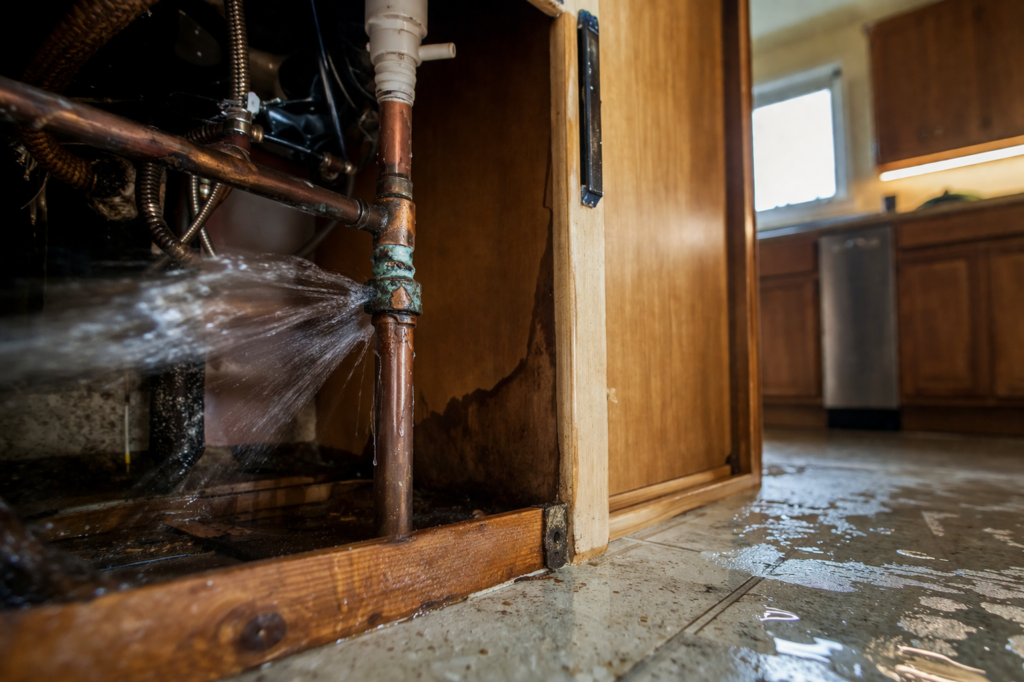
Water damage can strike without warning in Killeen, TX, turning a minor issue into a major disaster if not handled promptly. Whether it’s a burst pipe, heavy rain seeping through the roof, or a sewage backup, standing water poses immediate threats like mold growth, structural weakening, and health hazards. Homeowners often underestimate the hidden dangers, leading to thousands in repair costs down the line. At Killeen Water Damage Restoration, we’ve responded to countless emergencies across the area, from Western Hills to Willow Springs, and we’ve seen how quick action with professional water extraction makes all the difference. In this post, we’ll guide you through recognizing when DIY efforts fall short and why experts are your best bet for restoration. You’ll gain clear insights to protect your property and peace of mind.
Understanding Water Extraction: What It Is and Why It Matters in Killeen
Water extraction is the critical first step in water damage restoration, involving the removal of standing water from affected areas using specialized equipment like truck-mounted extractors, portable pumps, and industrial vacuums. Unlike simple mopping or using household shop vacs, professional extraction targets deep saturation in carpets, walls, and subfloors that can linger undetected. In Killeen, where humid summers and occasional flash floods from nearby rivers exacerbate moisture issues, this process is essential to prevent long-term problems.
Why does it matter? Standing water creates a breeding ground for mold and bacteria within 24-48 hours, according to industry standards from the Institute of Inspection, Cleaning and Restoration Certification (IICRC). It also compromises building materials—wood swells and warps, drywall crumbles, and electrical systems short-circuit, risking fires or shocks. For businesses in high-traffic spots like E Rancier Ave, downtime from unaddressed water can mean lost revenue.
Here’s a breakdown of key aspects:
- Types of Water Intrusion: Clean water from pipes is category 1, but greywater from washers or blackwater from sewers requires urgent extraction to avoid contamination.
- Equipment Used: Pros deploy high-powered tools that remove up to 99% of water, far surpassing DIY methods.
- Assessment Process: Technicians use moisture meters and thermal imaging to detect hidden pockets, ensuring complete removal.
- Drying Integration: Extraction pairs with dehumidifiers and air movers for thorough drying, reducing mold risk by 90% when done right.
In our experience at Killeen Water Damage Restoration, properties in flood-prone zones like the Hwy 195 Corridor often suffer from groundwater seepage during heavy rains. We’ve extracted water from basements and crawlspaces, preventing issues that could cost homeowners $5,000 or more in repairs. Skipping professional help might seem cost-saving initially, but it often leads to recurring problems. For instance, incomplete extraction in a crawlspace water damage cleanup scenario can cause foundation instability over time. Understanding these elements empowers you to act decisively, safeguarding your investment in Killeen’s variable climate.
Step-by-Step Guide: When and How to Handle Water Extraction in Killeen
Knowing when to call for professional water extraction can save your property from irreversible damage. Start by assessing the situation: If water covers more than a few square feet, involves electrical outlets, or shows signs of contamination, experts should intervene immediately. In Killeen, local factors like the region’s clay soils, which retain moisture, and frequent thunderstorms amplify risks—homes in Fairway neighborhoods often face sump pump failures during downpours.
Here’s actionable advice to navigate this:
- Initial Safety Check: Turn off electricity to wet areas and avoid walking through water to prevent slips or shocks. Document the damage with photos for insurance.
- Temporary Containment: If safe, use towels or buckets for minor spills, but for anything larger, ventilate the space to slow evaporation.
- Call Professionals: Dial experts within the first hour. For toilet overflow cleanup, which is common in older Killeen homes, pros handle biohazards per EPA guidelines.
- Post-Extraction Steps: After removal, monitor for musty odors or discoloration, indicating incomplete drying.
- Local Regulations: Killeen follows Texas building codes requiring certified restoration for flood zones; pros ensure compliance to avoid fines.
Killeen’s housing stock, with many mid-century ranch-style homes, has crawlspaces vulnerable to water ingress from irrigation or poor drainage. During wet seasons, rising humidity can trap moisture, leading to wood rot. To counter this, integrate extraction with preventive measures like installing French drains.
Pro Tip: In Killeen’s humid environment, always test for moisture in hidden areas like behind baseboards post-extraction. An insider secret from our team: Use a simple plastic sheet test—if condensation forms overnight, residual dampness persists, warranting further professional drying to prevent condensation problem mitigation.
By following these steps, you’ll minimize disruption. For severe cases, like tree-related damage from storms, combine extraction with tree removal from structures to address root causes effectively.
Common Pitfalls in Water Extraction and How to Sidestep Them
Homeowners in Killeen frequently make errors when dealing with water damage, often worsening the situation. One major mistake is delaying professional help, assuming a fan or dehumidifier suffices. This overlooks deep saturation, allowing mold to thrive in walls—costs can escalate from $1,000 for extraction to $10,000+ for full remediation.
Another error: Attempting DIY extraction with inadequate tools. Shop vacs remove surface water but miss subfloor moisture, leading to buckling floors or health issues from airborne spores. In contaminated scenarios, like a sewer backup, touching water without PPE risks exposure to pathogens, potentially causing respiratory problems or infections.
Ignoring local specifics compounds risks. Killeen’s hard water leaves mineral deposits that clog DIY pumps, and skipping post-remediation clearance testing means undetected issues resurface. Financially, insurance may deny claims without proof of professional intervention, leaving you liable for structural repairs averaging $7,500 in Texas.
Safety-wise, tampering with wet electricals invites shocks, especially in older wiring common in Western Hills homes. To avoid these, prioritize calling certified pros early—they use antimicrobial treatments and ensure safe, compliant work. Learning from others’ oversights protects your wallet and well-being.
Wrapping Up: Protect Your Killeen Property from Water Woes
In summary, professional water extraction in Killeen, TX, is crucial when facing extensive flooding, contamination, or hidden moisture that DIY can’t handle. By recognizing signs like persistent dampness or musty smells, acting swiftly with experts, and avoiding common traps, you can prevent costly mold, rot, and health risks. Killeen’s unique climate demands proactive restoration to maintain home integrity.
If you’re dealing with water damage and prefer a hassle-free solution, Killeen Water Damage Restoration is here to help. Our certified team, detailed on our about us page, delivers rapid, reliable service tailored to local needs. Need help with water extraction in Killeen? Call Killeen Water Damage Restoration today at (254) 320-9391.
Leave a Reply