
Imagine returning home after a heavy rainstorm in Killeen, TX, only to find water pooling in your basement. The panic sets in as you wonder about the extent of the damage and how quickly you can get things back to normal. Flooded basements are a common issue here, especially with our unpredictable Central Texas weather that can bring sudden downpours and flash floods. At Killeen Water Damage Restoration, we’ve helped countless homeowners and businesses navigate this nightmare, extracting water and restoring properties to prevent long-term issues like mold growth and structural damage. In this guide, we’ll break down exactly how long it takes for a flooded basement to dry out, what influences that timeline, and practical steps you can take to speed up the recovery. Whether it’s a minor overflow or severe flooding, understanding these factors empowers you to act swiftly and minimize costs.
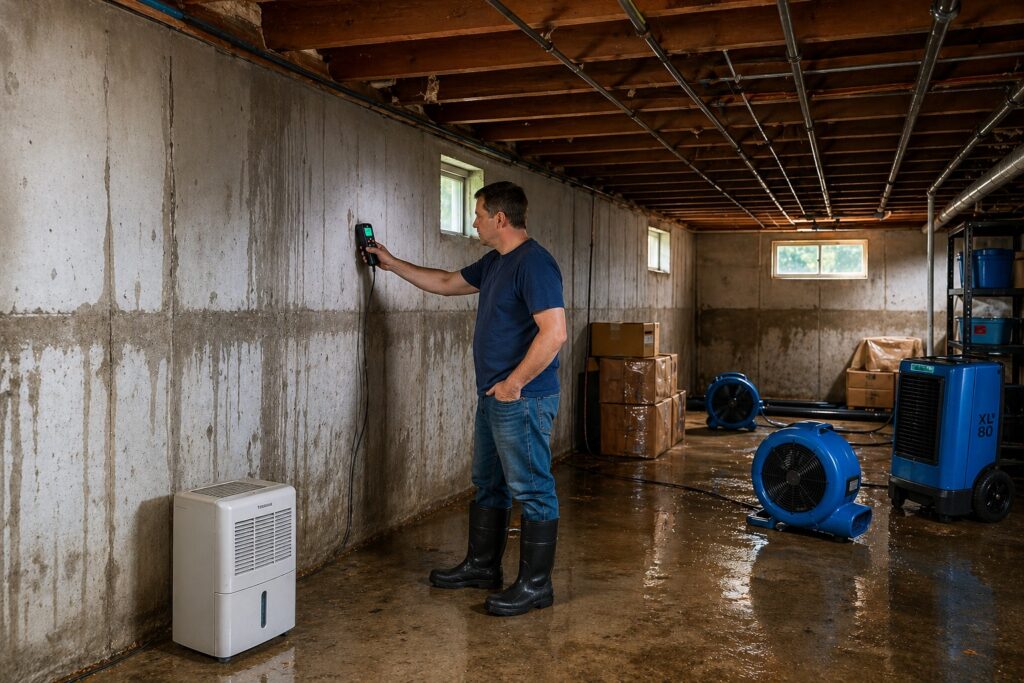
Factors Influencing Drying Time for a Flooded Basement
The time it takes for a flooded basement to dry out isn’t a one-size-fits-all answer it can range from a few days to several weeks, depending on several variables. At its core, drying involves removing standing water and then evaporating the remaining moisture from surfaces like walls, floors, and contents. This process relies on air circulation, temperature, and humidity levels in your space. In Killeen’s humid climate, where summer heat can push humidity above 70%, evaporation slows down significantly compared to drier regions.
To give you a clearer picture, here’s a breakdown of the key factors:
Extent of Water Damage: Shallow flooding (under 1 inch) might dry in 24-48 hours with proper equipment, but deeper water (over 6 inches) can take 1-2 weeks or more. Category of water matters too clean water from a burst pipe dries faster than contaminated floodwater, which requires extra sanitization steps.
Basement Materials: Concrete floors absorb less water than carpeted or wooden ones. Porous materials like drywall or insulation hold moisture longer, potentially extending drying to 5-7 days per inch of affected depth.
Ventilation and Equipment: Without fans or dehumidifiers, natural drying could take months. Professional-grade tools can cut this to days by pulling moisture from the air.
Local Climate in Killeen: Our hot, humid summers mean slower drying; winter’s cooler temps might help but increase mold risk if not managed. Soil saturation from frequent rains around areas like Yowell Ranch can also lead to groundwater seepage, prolonging the issue.
- Hidden Moisture: Water can wick up walls or seep into subfloors, invisible to the eye. This often requires moisture meters to detect, adding time for thorough drying.
In our experience at Killeen Water Damage Restoration, most basements we service take 3-7 days to fully dry when we intervene early with industrial dehumidifiers and air movers. Delaying action, however, can double that timeline and invite costly complications. Understanding these elements helps set realistic expectations and highlights why professional assessment is crucial right after flooding.
Step-by-Step Guide to Speeding Up Basement Drying
Once you’ve ensured safety by shutting off electricity and evacuating if needed, focus on efficient drying to protect your property. As a local expert in Killeen, we’ve refined these methods based on the area’s clay-heavy soils and variable weather, which can exacerbate water retention. Start with immediate water removal, then prioritize air flow and monitoring.
Here’s a practical how-to:
Remove Standing Water Promptly: Use wet vacuums or pumps for initial extraction. For severe cases, call for emergency water extraction services to handle it quickly and safely.
Clear the Space: Move furniture and belongings to higher ground or outdoors. Discard saturated porous items like rugs if they’re heavily contaminated to avoid cross-contamination.
Set Up Dehumidifiers and Fans: Place industrial dehumidifiers in the center to pull moisture from the air, and position box fans to circulate airflow across wet surfaces. Aim for 40-50% humidity; in Killeen’s heat, this setup can reduce drying time by 50%.
Boost Temperature Slightly: Keep the space around 70-80°F to aid evaporation, but avoid heaters near water to prevent fire hazards. Local building codes in Bell County emphasize safe practices during restoration.
- Monitor Progress Daily: Use a moisture meter to check walls and floors aim for under 15% moisture content. In older Killeen homes with slab foundations, check for cracks that might allow re-flooding from heavy rains.
Local factors play a big role: Killeen’s proximity to the Leon River means seasonal floods can saturate ground, making basements in low-lying neighborhoods dry slower. Housing types here, like ranch-style homes with unfinished basements, often have exposed concrete that dries faster but still needs ventilation to prevent efflorescence (salt deposits).
Pro Tip: An insider secret from our team always run dehumidifiers 24/7 initially, even overnight, but pair them with HEPA air filters to capture mold spores early. This not only speeds drying but safeguards your health in our dusty Texas environment.
By following these steps, you can potentially halve the drying time. For complex situations, like sewage backups common in older plumbing systems around Killeen, professional intervention ensures compliance with health regulations.
Common Mistakes Homeowners Make When Drying a Flooded Basement
Rushing or cutting corners during basement drying can lead to hidden disasters. One frequent error is attempting DIY drying without proper tools, like using household fans instead of commercial ones. This prolongs moisture exposure, fostering mold growth within 24-48 hours, which can cost $1,000-$5,000 to remediate far more than initial prevention.
Another pitfall: Ignoring hidden water in walls or ceilings. Homeowners often declare the space dry after surface water vanishes, but undetected moisture leads to warped drywall, weakened joists, and even electrical hazards. In Killeen, where homes face termite risks amplified by dampness, this can invite structural pests, escalating repair bills.
Failing to address the source of flooding is also common. Simply drying without fixing a leaky pipe or grading issue around your foundation means recurrence, especially during our monsoon-like springs. Safety-wise, operating electrics in wet areas without pros risks shocks or fires, violating local codes.
Business owners in commercial spaces make the mistake of minimizing downtime by skipping full drying, leading to inventory loss from mildew. Financially, insurance claims deny coverage for unaddressed mold, leaving you out-of-pocket. To learn more about our team’s expertise, visit our About Us page.
Avoid these by prioritizing thoroughness it’s cheaper and safer in the long run.
Wrapping Up: Restore Your Basement Efficiently
Drying a flooded basement typically takes 3-7 days with the right approach, influenced by water volume, materials, and Killeen’s humid climate. Key is swift extraction, strong ventilation, and ongoing monitoring to sidestep mold and structural woes. Armed with these insights, you’re better equipped to handle flooding proactively.
If the task feels overwhelming or you suspect extensive damage, let the professionals handle it. At Killeen Water Damage Restoration, we specialize in fast, reliable service tailored to Central Texas properties. Head to our homepage for more resources. Need help with how long it takes for a flooded basement to dry out in Killeen? Call Killeen Water Damage Restoration today at (254) 320-9391.
Leave a Reply